What is Wellness Pilipinas?

The Philippines' response to the call of World Health Organization (WHO) in 2009
to lessen the augment of Lifestyle Diseases of stroke, cancer, diabetes, etc, and the country's compliance to United Nations Climate Change Peace Building Campaign in 2007. Wellness Pilipinas! was conceived by "Wellness for Peace" Author, Public Speaker & former Peace Ambassador Zara Jane Juan. It consists of pep talks, workshops, symposiums & fora meant to achieve wellness in mind, body, spirit & economics as tools for peace & nation-building. Wellness Pilipinas aired as a live TV show at GNN via G-SAT Asia from 2009-2010 supported by private and public corporations

Innovating Peace by Amb Zara Jane Juan

Innovating Peace by Amb Zara Jane Juan
Wellness for Peace Education

WELLNESS PILIPINAS INTERNATIONAL

Translate

Sunday, October 14, 2018

WHO and partners are developing a renewed Global Influenza Strategy.Influenza is an ever-evolving disease, so the work on prevention, preparedness and response has to adapt continuously to keep up with these changes

At the start of the flu season in the Northern hemisphere, WHO launched today an in-depth multimedia package on influenza, including the lessons we can learn from previous flu pandemics, how prepared we are for another one, and how work on seasonal flu can help countries to prepare for future pandemics.
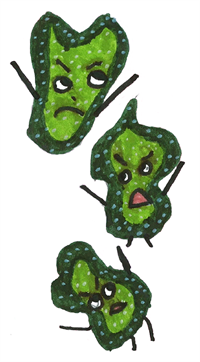
The flu comes around every year, everywhere - and children are among some of the most vulnerable. We asked children all over the world to illustrate this spotlight on flu, which includes 5 Things To Do If You Have The Flu and 5 Ways to Avoid Getting The Flu.

Influenza: are we ready?


When 100 passengers on a flight from Dubai to New York in September 2018 fell ill with respiratory symptoms, health officials were concerned that they might be carrying a serious respiratory illness called MERS-CoV (Middle East respiratory syndrome coronavirus) and quarantined the plane until further health checks could be completed. Testing showed that several were positive for the influenza virus, which can be easily spread when people are in close contact or in contained spaces such as airports and planes for several hours.


Influenza may not always be thought of by most people as a serious illness – the symptoms of headaches, runny nose, cough and muscle pain can make people confuse it with a heavy cold. Yet seasonal influenza kills up to 650 000 people every year. That is why influenza vaccinations are so important, especially to protect young children, older people, pregnant women, or people who have vulnerable immune systems (click here for a Facebook live with Dr Martin Friede on the flu vaccine).


What most of us think of as ‘the flu’ is seasonal influenza, so called because it comes around in the coldest season twice a year (once in the Northern hemisphere’s winter, and once in the Southern hemisphere’s winter) in temperate zones of the world, and circulates year-round in the tropics and subtropics.


The influenza virus is constantly mutating – essentially putting on ever-changing disguises – to evade our immune systems. When a new virus emerges that can easily infect people and be spread between people, and to which most people have no immunity, it can turn into a pandemic. "Another pandemic caused by a new influenza virus is a certainty. But we do not know when it will happen, what virus strain it will be and how severe the disease will be,” said Dr Wenqing Zhang, the manager of WHO’s Global Influenza Programme. “This uncertainty makes influenza very different to many other pathogens,” she said.


2018 marks the 100th anniversary of one of the most catastrophic public health crises in modern history, the 1918 influenza pandemic known colloquially as “Spanish flu”. This Spotlight focuses on the lessons we can learn from previous flu pandemics, how prepared we are for another one, and how work on seasonal flu can boost capacity for pandemic preparedness.

5 myths about the flu vaccine
Free WHO online courses on flu
Stay connected

5 things to do if you have the flu


Cover your mouth and nose when coughing or sneezing


Wash your hands regularly


Drink plenty of water and rest


If you have a vulnerable immune system, you may need antivirals


Don't take antibiotics - they don't work against cold or flu viruses

5 ways to avoid getting the flu


Get the flu vaccine every year - even if you do get the flu, your symptoms will be milder


Avoid being around people who are sick


Try not to touch your eyes, nose or mouth - germs are most likely to enter your body this way


Clean and disinfect surfaces if you are sharing a home with someone who is sick


Wash your hands regularly

The 1918 flu pandemic
The intensity and speed with which the 1918 influenza pandemic struck were almost unimaginable – infecting one-third (around 500 million people) of the Earth’s population. By the time the pandemic subsided two years later, more than 50 million people are estimated to have died. Globally, the death toll eclipsed that of the First World War, which was around 17 million.

There was actually nothing “Spanish” about the 1918 pandemic. While it had already taken a big toll in France and the USA, it was not made public in those countries because of wartime censorship. French doctors even referred to it by the code name “maladie onze”, meaning "disease 11”. When the disease surfaced in Spain, which was neutral during the war, the country had no censorship in place and so made the first public reports of the pandemic. The name stuck.

A unique disease


Pathogens ignore national borders, social class, economic status, and even age. While influenza is typically more deadly in very young or elderly people, the 1918 influenza pandemic, for instance, was unusually fatal among men aged 20 to 40 years.

Pandemics disrupt the economy and social functions like school, work and other mass gatherings. An influenza pandemic would also likely have significant impacts on the overall functioning of a country's health system, as it would draw heavily on resources and health workers.

Just as with many other diseases, influenza pandemics impact poor and socially marginalized communities the hardest. A study in The Lancet looking at the potential impact of a 1918-like pandemic on the modern world found that "the countries and regions that can least afford to prepare for a pandemic will be affected the most."



The world looks very different than it did 100 years ago, however. Unlike the world affected by the 1918 influenza pandemic, we now have antivirals, vaccines, diagnostic tests, and modern surveillance techniques. Many of these advances were spearheaded by WHO in close collaboration with other agencies and national and regional institutions. We also have learned from subsequent pandemics in the 20th and 21st century.

As this Spotlight will show, we have more tools to combat pandemics than ever before. These include the development of a global influenza surveillance system that constantly monitors the evolution of circulating influenza strains, the development of an unprecedented agreement to ensure sharing of flu viruses and data alongside strengthening global preparedness capacities, efforts to continuously improve the effectiveness of the seasonal influenza vaccine, and powerful new antivirals. However, for the next influenza pandemic, there are still challenges ahead and in particular ensuring optimum global collaboration between all countries in the world and defining mechanisms that allow equitable access to vaccines, treatments and diagnostics for everyone, everywhere.

"We have the ability, now more than ever, to mitigate the impact of diseases, save lives and reduce economic and social costs. But countries' preparedness efforts should be maintained and should integrate innovative lifesaving interventions," said Dr Sylvie Briand, director of WHO’s department of Infectious Hazard Management.

Predictably unpredictable
Pandemic influenza outbreaks are unpredictable. One million people around the world died in a 1957 outbreak that started in China but spread globally. In 1968, another outbreak took an estimated 1-3 million lives. In 2003, the re-emergence of A(H5N1) or so-called avian influenza, highlighted how the virus could pass from animals to people, but it did not reach the pandemic stage because it could not pass sustainably from person to person.


Map: Deaths from the 2009 influenza pandemic


Factsheet on avian influenza

Feature: Zoonotic influenza

The 2009 “Swine flu” A(H1N1) pandemic started in Mexico where it caused severe illness in previously healthy adults and spread rapidly to over 214 countries and overseas territories or communities. Between 105 000 and 395 000 people are thought to have died. Even so, the world was relatively lucky: it turned out to be milder than some seasonal epidemics, which can kill twice that number.


An international committee convened by WHO reviewed the response to the 2009 pandemic and found that “The world is ill-prepared to respond to a severe influenza pandemic or to any similarly global, sustained and threatening public-health emergency.” The committee called for not only the strengthening of core public-health capacities, but also increased research, a multisectoral approach, strengthened health-care delivery systems, economic development in low and middle-income countries and improved health status.

Feature
Lessons learned from the 2009 influenza pandemic.
Read the story

Types of flu
Seasonal, pandemic and zoonotic flu.
Read more

Preparing the world for the next pandemic

Q&A on influenza preparedness

In 1947, a year before WHO`s constitution came into force, the WHO Interim Committee of the United Nations established a Global Influenza Programme to track changes in the virus. The sharing of viruses and data between different nations in order to have up-to-date vaccines thus became one of the core tools in the fight against both seasonal and pandemic influenza.

In 1952, WHO launched the Global Influenza Surveillance Network with 26 collaborating laboratories around the world. Today, renamed the Global Influenza Surveillance and Response System (GISRS), the 66-year old network comprises 153 institutions in 114 countries. It constantly monitors influenza viruses causing seasonal outbreaks in people, zoonotic outbreaks, and potential pandemics and makes vaccine selection decisions twice a year, for the northern and southern hemisphere influenza seasons. Countries with National Influenza Centres share virus samples and data to support this continuous monitoring.

"GISRS is the frontline in the fight against influenza. It is one of the oldest and most significant examples of international cooperation for public health,” said Dr Zhang. "Confidence, trust and sharing, with commitment from Member States, is critical to pandemic preparedness."


"Pandemic influenza is a significant public health issue that we are unable to prevent or eliminate, given our current technology and knowledge. So much of our work managing the pandemic has to be when it occurs, to impact on health and society," said Dr Zhang. "Seasonal influenza epidemics provide real opportunities to prepare for the next pandemic. To achieve the best possible outcome now and in the future, there are three critical factors: timeliness and quality of virus and information sharing, research and innovation, and global coordination. For pandemic influenza, the world has to work as one team," she said.

Every week, countries report newly detected influenza cases to WHO through a system called FluNet. Another system, FluID, looks at the epidemiology of the circulating viruses associated with influenza. WHO is also developing a pandemic influenza severity assessment tool (PISA) to provide baselines so that there is a barometer by which to compare the virulence of the virus as new strains emerge.“What's unique about influenza is it is constantly changing. So for seasonal viruses, these viruses continue to evolve and change and escape the ability of existing vaccines to protect the population,” said Dr Jacqueline Katz, Director of the WHO Collaborating Centre for the Surveillance, Epidemiology and Control of Influenza, Atlanta, USA. “We're really concerned about being ahead of the game for detecting a virus that could cause the next global pandemic."


Pandemic preparedness
The re-emergence in 2004 of a highly virulent influenza virus with pandemic potential triggered global discussions about access to pandemic vaccines by developing countries. Some countries, affected by high numbers of human infections, voiced concern that they were sharing virus samples with GISRS, while knowing that if a pandemic were to occur, they might not have access to the vaccines made using information and materials from those samples. To strengthen the sharing of influenza viruses with human pandemic potential and to increase the access of developing countries to vaccines and other critical pandemic response supplies, the Pandemic Influenza Preparedness (PIP) Framework was set up in 2011 by the 194 Member States of WHO. This framework would help countries in need to access vaccines, antivirals, and diagnostics at the time of a pandemic.

Two of the main benefits of the agreement are: first, vaccine manufacturers that receive vaccine viruses from GISRS must commit to provide to WHO about 10% of their future pandemic vaccine production, so that it can be distributed to countries in need at the time of the next pandemic. Second, influenza product manufacturers that use GISRS are expected to contribute US$28 million a year to WHO that then uses the funds to bolster the ability of countries to respond to pandemics.


Feature: Pandemic Influenza Preparedness
"By working with industry partners, we can strengthen global preparedness capacities in countries where they are weak. In return, countries are enabling the GISRS network to perform a thorough risk assessment by sharing influenza viruses with pandemic potential," said Anne Huvos, manager of the PIP Framework secretariat at WHO.

Are we ready for the next pandemic?
Influenza is an ever-evolving disease, so the work on prevention, preparedness and response has to adapt continuously to keep up with these changes.

WHO and partners are developing a renewed Global Influenza Strategy to be launched this year. This will support countries in developing seasonal influenza prevention and control capacities. These national efforts, in turn, will build greater global preparedness for the next pandemic. The strategy focuses on three priorities, strengthening pandemic preparedness, expanding seasonal influenza prevention and control and research and innovation. Research and innovation includes improved modelling and forecasting of influenza outbreaks, along with the development of new vaccines, including a possible universal influenza vaccine that would work against all influenza virus strains.


However, developing and distributing a vaccine during a pandemic could take up to a year. This means that non-pharmaceutical measures - the same as those needed to stop seasonal flu - will be critical. Some of these are actions that individuals can take, including staying home when sick and washing hands frequently.


Organizations could also take measures such as such as implementing policies to limit gatherings where the virus may be easily spread; WHO is currently developing guidance on such measures. These new guidelines will draw on evidence as well as experience from the 1918 and 2009 pandemics. However, even with the best infection prevention and control measures, some people will still fall ill with influenza – for people with severe influenza, there are effective antivirals to cure it.


Today, less than half of all countries have a national influenza pandemic preparedness plan; of those, few have updated their plans to take into account the lessons learned from 2009. Not surprisingly, low-income countries, which are struggling to bolster their own primary health care systems, often lack the resources or bandwidth to develop and implement pandemic preparedness plans.


At the core of effective pandemic response is a strong, well-resourced health system that includes adequately trained and paid health workers; functioning water, sanitation, and hygiene systems; quality laboratory services for rapid diagnosis; access to medical products including vaccines; and reliable systems for tracking and reporting cases of the disease.


"We still have challenges with improving international coordination and mobilizing sufficient and sustainable resources for preparedness and research to make better vaccines, antivirals and diagnostics," said Dr Briand. "Most importantly, these counter-measures need to be available to all countries, particularly those communities with the least resources as they will be the most vulnerable in the next flu pandemic."

“Pandemic influenza is a significant public health issue that we are unable to prevent or eliminate, given our current technology and knowledge. So our work has to be managing the pandemic when it occurs, and limiting its impact on health and society,” said Dr Zhang. “Seasonal influenza epidemics provide real opportunities to prepare for the next pandemic. To achieve the best possible outcome now and in the future, there are three critical factors: timeliness and quality of sharing, research and innovation, and global coordination. For pandemic influenza, the world has to work as one team,” she said.

Some of this content first appeared in Pandemic influenza: an evolving challenge.

WHO’s work on influenza around the world

Africa


Americas

South-East Asia

Europe

Eastern Mediterrean

Western Pacific


Join WHO in taking action

While you are here, take a minute to sign up to our weekly updates and free online courses on flu. We'll be in touch with health advice and latest findings to improve your health and wellbeing.


Stay connected

Subscribe to our weekly updates


Get involved

Online courses on flu


Do good

Become a WHO volunteer


https://www.who.int/influenza/spotlight

Friday, October 5, 2018

WHO kicks off global initiative to treat children with cancer

The aims of the Initiative are two-fold: to increase prioritization of childhood cancer through awareness raising at global and national levels and to expand the capacity of countries to deliver best practice in childhood cancer care. Concretely, WHO will support governments to assess current capacities in cancer diagnosis and treatment including the availability of medicines and technologies; set and cost priority cancer diagnosis and treatment programmes; and integrate childhood cancer into national strategies, health benefits packages and social insurance schemes.


Global Initiative for Childhood Cancer

In September 2018 WHO announced a new effort – the WHO Global Initiative for Childhood Cancer – with the aim of reaching at least a 60% survival rate for children with cancer by 2030, thereby saving an additional one million lives. This new target represents a doubling of the global cure rate for children with cancer.

Cancer is a leading cause of death for children, with 300,000 new cases diagnosed each year among children aged 0-19 years. Children with cancer in low- and middle-income countries are four times more likely to die of the disease than children in high-income countries. This is because their illnesses are not diagnosed, they are often forced to abandon treatment due to high costs, and the health professionals entrusted with their care lack specialized training.
The WHO Global Initiative for Childhood Cancer, which involves development of a WHO technical package to help scale-up capacities within national health systems, will be achieved with support from a host of partners. Among them is St. Jude Children’s Research Hospital in the United States, the first WHO Collaborating Centre on childhood cancer, which has committed US$ 15,000,000 to supporting implementation of the initiative.
“Too many children have their lives cut short by cancer, and survival rates in poor countries are scandalously lower than those in wealthy countries,” said Dr Tedros Adhanom Ghebreyesus, WHO Director-General. “We hope our partnership with St Jude will be a step towards redressing that injustice.”
The Initiative is announced on the heels of the Third Global High-Level Meeting on Noncommunicable Diseases, which convened dozens of heads of state and ministers from all countries to prompt more urgent action on noncommunicable diseases – among them cancer, diabetes, heart and lung diseases - which kill 41 million people each year. The event is a milestone in furthering achievement of the Sustainable Development Goals (SDGs) in particular SDG target 3.4 to reduce premature mortality from noncommunicable diseases by one third by 2030.

Thursday, September 6, 2018

WHO new global action plan to help countries scale up policy actions to promote physical activity from 2018 - 2030


Regular physical activity is proven to help prevent and treat noncommunicable diseases (NCDs) such as heart disease, stroke, diabetes and breast and colon cancer. It also helps prevent hypertension, overweight and obesity and can improve mental health, quality of life and well-being. Yet, much of the world is becoming less active.


WHO has developed a new global action plan to help countries scale up policy actions to promote physical activity. It responds to the requests by countries for updated guidance, and a framework of effective and feasible policy actions to increase physical activity at all levels.


The plan sets out four objectives and recommends 20 policy actions that are applicable to all countries and address the cultural, environmental and individual determinants of inactivity.


A key feature of this new plan is its call for a ‘’systems-based’’ approach where effective implementation will require bold leadership combined with cross-government and multisectoral partnerships at all levels to achieve a coordinated, whole-of-system response.


Working in partnerships, WHO will support countries to implement a whole-of-community approach to increase levels of physical activity in people of all ages and abilities. Global, regional and national coordination and capacity will be strengthened to respond to needs for technical support, innovation and guidance.


The global action plan on physical activity 2018 - 2030


The goal: To reduce physical inactivity


How


The plan sets out four objectives and recommends 20 policy actions. The four objectives are:


1

Create an active society – social norms and attitudes


Create a paradigm shift in all of society by enhancing knowledge and understanding of, and appreciation for, the multiple benefits of regular physical activity, according to ability and at all ages.


2

Create active environments – spaces and places


Create and maintain environments that promote and safeguard the rights of all people, of all ages, to have equitable access to safe places and spaces, in their cities and communities, in which to engage in regular physical activity, according to ability.


3

Create active people – programmes and opportunities
Create and promote access to opportunities and programmes, across multiple settings, to help people of all ages and abilities to engage in regular physical activity as individuals, families and communities.


4

Create active systems – governance and policy enablers
Create and strengthen leadership, governance, multisectoral partnerships, workforce capabilities, advocacy and information systems across sectors, to achieve excellence in resource mobilization and implementation of coordinated international, national and subnational action to increase physical activity and reduce sedentary behaviour.


The global action plan proposes solutions to strengthen leadership, governance, workforce capabilities, and advocacy. It recognises the need for stronger global, regional and national coordination and the need for a social movement and paradigm shift to address the complex problem of physical inactivity.


Promoting physical activity requires collaboration with all sectors; private companies, NGOs, community organisations, and individuals must work together to engage in local solutions. Solutions at national, sub-national and city levels are detailed in the above figure, which shows the interrelated nature of a comprehensive response to inactivity.


Policy responses must be selected and implemented according to national priorities and context, and take into account a diverse range of capabilities. WHO will work with partners to identify and implement early wins, share best practices within and between countries, and drive strategic partnerships across sectors.


Document download
http://www.who.int/ncds/prevention/physical-activity/gappa/action-plan

Noncommunicable diseases and their risk factors: 1 in 4 adults are inactive- WHO

5 SEPTEMBER 2018 - New data published in The Lancet Global Health today show that more than one in four adults globally (28% or 1.4 billion people) are physically inactive. However this can be as high as one in three adults inactive in some counties.


The paper, authored by four World Health Organization experts, reports data that update 2008 estimates on levels of activity and, for the first time, reports trend analyses showing that overall, the global level of inactivity in adults remains largely unchanged since 2001.


Women were less active than men, with an over 8% difference at the global level (32% men vs 23%, women). High income countries are more inactive (37%) compared with middle income (26%) and low income countries (16%).


These data show the need for all countries to increase the priority given to national and sub-national actions to provide the environments that support physical activity and increase the opportunities for people of all ages and abilities, to be active every day.


The new Global Action Plan on Physical Activity sets the target to reduce physical inactivity by 10% by 2025 and 15% by 2030.


Regular physical inactivity increases peoples risk of poor health, including cardiovascular disease, several types of cancer and diabetes, falls, as well as mental health conditions. Publication of levels of participation in children and young people are forthcoming.

Saturday, August 18, 2018

World Humanitarian Day, 19 August


Every year on 19 August, World Humanitarian Day brings citizens of the world together to rally support for people living in crises and to pay tribute to the aid workers who help them.

Emergencies cause immense suffering for millions of people – usually the world's poorest, most marginalized and vulnerable individuals. Humanitarian aid workers, including health care workers, strive to provide life-saving assistance and long term rehabilitation to disaster-affected communities, regardless of where they are in the world and without discrimination based on nationality, social group, religion, sex, race or any other factor.

Join the #NotATarget movement and demand world leaders do everything in their power to protect all civilians and healthcare workers in conflict.

"Health is a fundamental human right, and attacks on health care are a blatant violation of that right." Dr Tedros Adhanom Ghebreyesus, Director-General of WHO.


WHO Director-General video statement:


Health care is under attack


The sanctity of health care, the right to health care, and international humanitarian law are threatened: patients are shot in their hospital beds, medical personnel are menaced or attacked, facilities are bombed, depriving people of urgently needed care, endangering health care providers, undermining health systems and long term public health goals, and contributing to the deterioration in the health and wellbeing of affected populations.

Essential life-saving health services must be provided to emergency-affected populations unhindered by any form of violence or obstruction.

Attacks on health care.


Even one attack on health care is too many


Attacks on health facilities, health workers and ambulances continue with alarming frequency. According to the data systematically collected by WHO through the Surveillance System on Attacks on Health Care, in the first half of 2018, 107 people died following 354 attacks on health facilities or transportation in 5 countries or territories (Afghanistan, Iraq, Libya, Syrian Arab Republic, West Bank and Gaza Strip).

Every hospital destroyed and every health worker killed or injured takes health services away from the people who need them most, often taking many years to replace. Stop attacks on health care.

WHO's work on attacks on health care.

WHO salutes humanitarian health partners who continue to work in vulnerable settings


“We want protection, like anyone... We are clearly marked with high visibility vests when we work, and when we go forward to help people who have been injured we put our arms in the air as a sign to the soldiers that we are not any threat to them. Still we continue to be targeted.” Rami – a 29-year-old volunteer first responder and mental health support worker.


Stories from Gaza.

Health workers put themselves at risk to provide care


Health workers face danger and adversity in order to help others under challenging circumstances, whether it be in a conflict, natural disaster, disease outbreak or resource-poor settings.

Bringing Ebola vaccine to remote communities in the Democratic Republic of Congo.

Statement on attack on health workers in Pakistan.


Surveillance System of Attacks on Health Care


WHO is developing a body of evidence to better understand the extent and nature of the problem and its consequences to health care delivery. The SSA is a global standardized and systemic approach to collecting data of attacks on health care. This system uses the same methodology across countries to address the knowledge gap of the extent and nature of attacks on health care.

Surveillance System of Attacks on Health Care.


People need reliable access to health care


Attacks on health too often mean that communities lose access to services at a time when they need them most. Reliable access to health care – especially for the most vulnerable – is vital to achieving universal health coverage and to reaching the Sustainable Development Goals.

WHO seeks to ensure that:
Health workers are protected and can provide health care in a safe and protected environment;
Patients have access to health care when they need it most;
Parties to conflict understand and uphold their responsibilities under International Humanitarian Law;
Health care delivery is not disrupted by attacks; and
All forms of violence against health care stop.


Attacks on health care
Health workers are #NotATarget


WHO condemns attacks on health care in the strongest terms and demands that all parties to conflict ensure that health is #NotATarget.

Violence against health workers providing care in conflict is prohibited by international law, and has therefore been globally condemned. As well as destroying human life, such attacks inhibit the ability of humanitarian agencies to respond to health emergencies, increasing the vulnerability of civilians in conflict.

This World Humanitarian Day WHO demands that leaders:
Do not target health workers, facilities, health transport or patients.
Respect the right of all wounded and sick persons to receive medical care.
Adopt and promote the UN Secretary-General’s recommendations on the protection of medical care in armed conflict.


Source: http://www.who.int/news-room/feature-stories/detail/world-humanitarian-day-19-august

Friday, August 17, 2018

"Health is a fundamental human right, and attacks on health care are a blatant violation of that right." Dr Tedros Adhanom Ghebreyesus, Director-General, WHO

World Humanitarian Day 2018
#NotATarget
Share
Tweet
Forward
Share
"Health is a fundamental human right,
and attacks on health care are a blatant violation of that right."

Dr Tedros Adhanom Ghebreyesus, Director-General, WHO
Emergencies cause immense suffering for millions of people - often the world's poorest, most marginalized and vulnerable individuals. Humanitarian aid workers, including health care workers strive to provide life-saving assistance and long term rehabilitation to disaster-affected communities, regardless of where they are in the world and without discrimination.

On 19 August, World Humanitarian Day brings citizens of the world together to rally support for people living in crises and to pay tribute to the aid workers who help them. Join the #NotATarget movement and demand world leaders do everything in their power to protect all civilians and health care workers in conflict.

Tuesday, July 31, 2018

INVITATION | How much do we really know about Mindanao? | 9 August 2018 | 3-5 PM | Asian Institute of Management


UNDERSTANDING MINDANAO SERIES: MINDANAO 101
9 August 2018, Thursday
Fuller Hall, 3F Asian Institute of Management, 123 Paseo de Roxas, Makati City
2 PM – Registration
3 PM – Program Start

There are negative stereotypes, biases, and limited view of the people and issues involved in Mindanao. Mindanao is perceived to be marginalized, violent and dangerous, and a place for Muslims. This mindset stems from lack of understanding about the region and the religion. How much do we really know about Mindanao?
Asia Society Philippines cordially invites you to the inaugural Understanding Mindanao Series, to be held on 9 August 2018, 3:00 to 5:00 PM at the Asian Institute of Management.
The Understanding Mindanao Series is a three-part dialogue that aims to provide an environment for inquiry and learning about the region, and to educate the public by developing a common understanding about Mindanao and strengthening relationships with the tri-people community in Mindanao.
This series will discuss the different aspects of Mindanao, and will run from August to October 2018. The first of the three forums, “Mindanao 101” aims to give better understanding of what shapes Mindanao through a discussion of its history, people, and issues.
Due to limited seats, kindly register by clicking here or at understandingmindanao1.eventbrite.com by 8 August 2018.
This event is free of charge and open to the public. Please forward this message to your network, or any parties you think would be interested.
This email serves as your formal invitation. For any questions, please feel free to contact Yeng Rarugal at mrarugal@asiasociety.org or at 550 2612.
Thank you very much and we hope that you will be able to join us on this timely and meaningful event.
Asia Society Philippine Foundation, Inc. | 2F AIM Conference Center, Makati, Philippines | t +632 5502612 | t/f +632 8108983 | www.asiasociety.org/philippines | Hong Kong | Houston | Los Angeles | MANILA | Sydney | Mumbai | New York | San Francisco | Seoul | Shanghai | Tokyo | Washington DC | Zurich

#ASEAN2017:

#ASEAN2017:
Presidential Communications Operations Office – Committee on Media Affairs and Strategic Communications (PCOO – CMASC) in partnership w/ Asia Society Philippines & Asian Institute of Management (AIM) hosted the ASEAN 2017 Dialogues held 11 July 2017 at AIM, Makati, Philippines. Attending the dialogue is Amb.Zara Jane Juan, Convener , Climate Change Peace Building for United Nations Sustainable Development Goals (UNDSG) of sailing for peace United Nation's International Day of Peace Vigil MALUSOG ANG PINOY! United Nations Friends Photo Credit: Aloy Menez

Senator Angara with Ambassador Zara Jane Juan

Senator Angara with Ambassador Zara Jane Juan
@NCCA